
In food service operations, maintaining hygiene standards while managing costs remains a constant challenge. CPE plastic gloves have emerged as a practical solution for businesses seeking reliable hand protection without compromising their budget. This guide explores everything you need to know about CPE gloves, from their composition to their ideal applications.
What Are CPE Plastic Gloves?
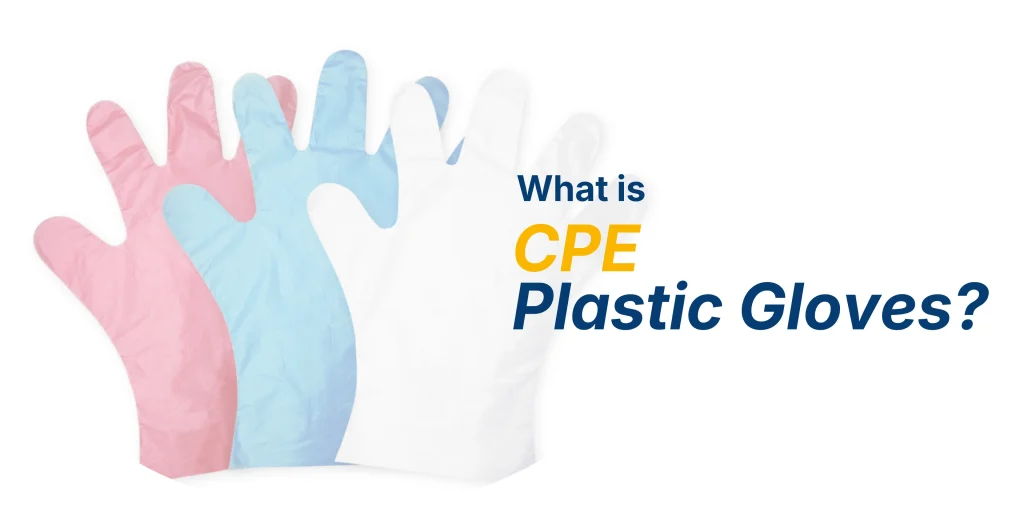
CPE stands for Cast Polyethylene, a type of thermoplastic film produced through an extrusion process. These disposable plastic gloves are manufactured from polyethylene resin—one of the most widely used plastics globally—through a specialized casting method that creates thin, flexible films suitable for hand protection.
The manufacturing process involves melting polyethylene pellets and extruding them through a flat die onto chilled rollers. This rapid cooling creates a smooth, uniform film that can be formed into gloves. The result is a lightweight, loose-fitting glove that provides basic barrier protection against moisture, dirt, and light contamination.
Key Characteristics of CPE Gloves
Understanding the properties of CPE plastic gloves helps businesses make informed purchasing decisions:
Material Composition: CPE gloves are typically made from low-density polyethylene (LDPE) or linear low-density polyethylene (LLDPE). These materials are food-safe and comply with international food contact regulations when manufactured by certified producers.
Physical Properties: The gloves feature an embossed or textured surface that improves grip on dry surfaces. Their loose fit allows for quick donning and removal—a significant advantage in fast-paced environments where gloves need frequent changing.
Barrier Protection: While CPE gloves provide effective protection against water, light oils, and general dirt, they offer limited chemical resistance compared to nitrile or latex alternatives. They serve as a basic barrier, suitable for tasks where exposure to hazardous substances is not a concern.
Cost Efficiency: As one of the most economical disposable glove options available, CPE gloves enable businesses to maintain strict hygiene protocols without substantial budget impact. This makes them particularly attractive for operations requiring frequent glove changes.
Primary Applications in Food Service
The food industry represents the largest market for CPE plastic gloves, and for good reason:
Food Preparation and Handling: Restaurant kitchens, catering services, and food processing facilities use CPE gloves for tasks such as assembling sandwiches, preparing salads, handling produce, and plating dishes. The gloves prevent direct hand contact with food while allowing workers to maintain productivity.
Quick-Service Restaurants: Fast food establishments benefit from the rapid donning speed of CPE gloves. Staff can quickly change gloves between handling different food items or after touching non-food surfaces, helping prevent cross-contamination.
Retail Food Operations: Delis, bakeries, and grocery store food counters use CPE gloves when serving customers, slicing meats, or packaging fresh items. The transparent nature of the gloves allows customers to see the hygiene measures being taken.
Catering and Events: For large-scale food service operations where volume matters, CPE gloves provide an economical solution that doesn’t sacrifice food safety standards.
Beyond Food Service: Other Industrial Applications
While food service dominates CPE glove usage, other industries have found them valuable:
Beauty and Personal Care: Hair salons use CPE gloves during shampooing, conditioning treatments, and hair coloring preparation. Nail salons employ them for sanitation between clients.
Light Cleaning Services: Housekeeping operations and janitorial services use CPE gloves for dusting, light cleaning, and handling non-hazardous cleaning supplies.
General Sanitation: Public facilities, schools, and offices keep CPE gloves on hand for maintaining cleanliness and handling waste materials that don’t require heavy-duty protection.
Comparing CPE Gloves to Other Disposable Options
Understanding how CPE gloves stack up against alternatives helps identify the right choice for specific needs:
CPE vs. Vinyl Gloves: Both offer economical protection, but vinyl gloves typically provide a better fit and slightly improved durability. CPE gloves cost less and work well for very short-duration tasks with frequent changes.
CPE vs. Nitrile Gloves: Nitrile gloves offer superior puncture resistance, chemical protection, and fit. However, they cost significantly more. CPE gloves suit basic food handling where these enhanced properties aren’t necessary.
CPE vs. Latex Gloves: Latex provides better elasticity and fit but carries allergy risks and higher costs. CPE gloves eliminate allergy concerns and cost less, making them suitable for environments where latex sensitivities might be an issue.
Selecting a Reliable Plastic Gloves Manufacturer
Quality varies significantly among CPE glove producers. When sourcing these products, consider these factors:
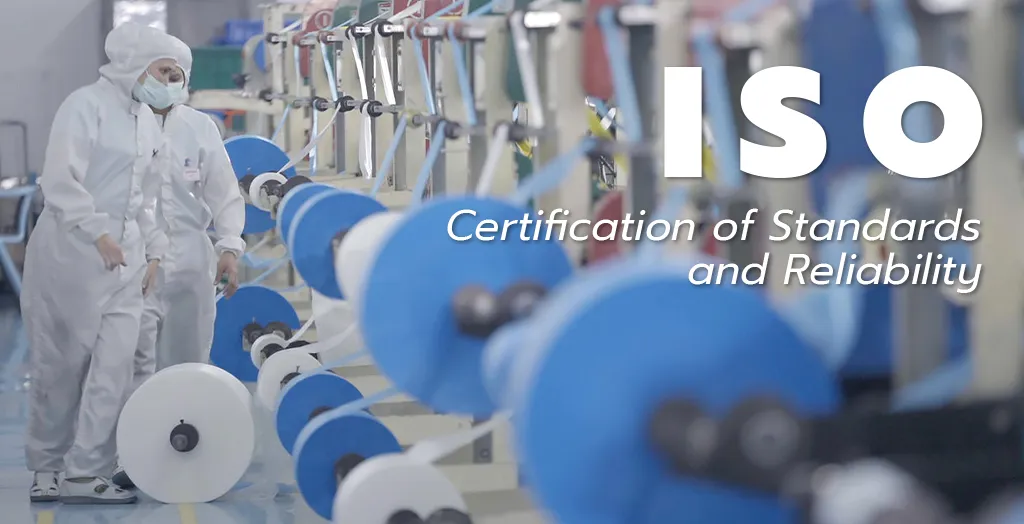
Certifications and Compliance: Look for manufacturers holding relevant food safety certifications such as FDA approval, EU food contact compliance, or ISO certifications. These indicate adherence to international standards for materials that contact food.
Production Capabilities: Established plastic gloves manufacturers in Thailand and other regions often provide better consistency, quality control, and supply chain reliability. Large-scale producers can typically guarantee steady availability and competitive pricing.
Customization Options: Some suppliers offer customization in sizing, packaging quantities, and even branding. This flexibility can help businesses optimize their operations and potentially reduce waste.
Sustainability Practices: As environmental concerns grow, partnering with manufacturers committed to reducing their carbon footprint demonstrates corporate responsibility. Some producers now offer recycling programs or incorporate post-industrial recycled materials into their processes.
Best Practices for Using CPE Plastic Gloves
Maximizing the effectiveness of CPE gloves requires proper usage:
Change Frequently: These gloves are designed for single tasks. Change them between handling different food types, after touching surfaces outside the food preparation area, and whenever they become torn or contaminated.
Proper Sizing: While CPE gloves have a loose fit by design, selecting the appropriate size prevents excess material from interfering with tasks or catching on equipment.
Hand Hygiene: Gloves supplement but don’t replace proper handwashing. Hands should be clean and dry before donning gloves and washed thoroughly after removal.
Storage Conditions: Keep gloves in a cool, dry location away from direct sunlight. Proper storage prevents material degradation and maintains product quality.
Training Staff: Ensure all employees understand when gloves are required, how to properly don and remove them, and why frequent changes matter for food safety.
Environmental Considerations
As businesses increasingly prioritize sustainability, questions about disposable glove environmental impact arise:
Recycling Challenges: CPE gloves, like most disposable food service items, face recycling limitations due to contamination concerns. Used gloves that contacted food cannot typically enter standard recycling streams.
Waste Reduction Strategies: While CPE gloves generate waste, their low material usage per glove minimizes environmental impact compared to heavier alternatives. Using gloves appropriately—neither overusing nor underusing them—represents the most practical approach to balancing hygiene and environmental concerns.
Industry Innovation: Forward-thinking plastic gloves manufacturers are exploring biodegradable formulations and improved end-of-life solutions. Some companies now measure and disclose the carbon footprint of their products, helping customers make informed decisions.
Cost-Benefit Analysis for Businesses
Understanding the economic value of CPE gloves helps justify their use:
Direct Cost Savings: CPE gloves typically cost 40-60% less than vinyl alternatives and significantly less than nitrile or latex options. For high-volume users, these savings compound substantially.
Operational Efficiency: Quick donning and removal speeds increase productivity. Staff spend less time struggling with gloves and more time on their primary tasks.
Reduced Cross-Contamination Risk: The affordability of CPE gloves encourages frequent changes, which actually improves food safety compliance compared to situations where expensive gloves might be worn longer than appropriate.
Training Simplicity: The straightforward nature of CPE gloves requires minimal training, reducing onboarding time for new employees.
The Future of CPE Plastic Gloves
The disposable glove industry continues evolving to meet changing market demands:
Material Innovation: Researchers are developing enhanced polyethylene formulations that improve strength while maintaining cost-effectiveness. Some innovations focus on biodegradability without compromising food safety.
Manufacturing Efficiency: Advanced production techniques reduce material waste and energy consumption. Leading manufacturers in regions like Thailand are investing in cleaner production methods that lower environmental impact.
Regulatory Developments: As food safety standards tighten globally, the importance of certified, compliant products grows. Businesses benefit from partnering with manufacturers who stay ahead of regulatory changes.
Sustainability Integration: The future likely includes more transparent sustainability reporting, expanded recycling programs, and innovations in alternative materials that maintain the cost advantages of traditional CPE gloves.
Making the Right Choice for Your Business
CPE plastic gloves serve a specific niche in the broader disposable glove market. They excel in situations requiring:
- High-frequency glove changes
- Basic moisture and contamination barriers
- Cost-effective solutions for large-scale operations
- Food-safe materials for direct food contact
- Quick and easy application
They may not suit applications requiring:
- Extended wear times
- Chemical resistance
- Precision tasks requiring excellent tactile sensitivity
- Heavy-duty protection
Understanding these parameters helps businesses deploy CPE gloves where they perform best while selecting alternatives for tasks requiring different properties.
Partnering with the Right Supplier
Success with CPE plastic gloves extends beyond the product itself to the reliability of your supplier relationship. When evaluating potential partners, consider:
Supply Chain Stability: Can the manufacturer maintain consistent supply during high-demand periods? Do they have adequate production capacity and raw material relationships?
Quality Consistency: Does every shipment meet the same standards, or do quality levels fluctuate? Reliable manufacturers implement rigorous quality control at every production stage.
Technical Support: Can the supplier provide guidance on product selection, usage recommendations, and troubleshooting? Knowledgeable partners add value beyond the product itself.
Transparent Communication: Does the manufacturer openly share information about their processes, certifications, and any supply chain challenges? Transparency builds trust and helps customers plan effectively.
Conclusion
CPE plastic gloves represent a practical solution for food service operations and other industries requiring economical, food-safe hand protection. While they may lack the advanced properties of premium glove materials, their combination of affordability, convenience, and basic barrier protection makes them invaluable for specific applications.
As the global focus on food safety intensifies and businesses seek ways to maintain hygiene standards cost-effectively, CPE gloves will continue playing a significant role. By understanding their properties, appropriate applications, and limitations, businesses can make informed decisions that protect both their operations and their budgets.
Whether you’re managing a restaurant, operating a food processing facility, or running any business requiring disposable gloves, taking time to evaluate your specific needs against the capabilities of CPE gloves ensures you select the right tool for the job. Partnering with a reputable plastic gloves manufacturer committed to quality, sustainability, and customer support further enhances the value these simple yet essential products bring to your operation.
Explore CPE Gloves
International Sales
(+66) 2-108-2390
(+66) 95-583-3696
sales@bagglove.com
Domestic Sales
(66) 2-108-2390 ext. 104
LINE OA: @bagglove
sales.d@tna-thailand.com