Educational

How to Choose the Right Disposable Glove
Compare CPE, HDPE and Hybrid plastic gloves using task type, contact time, change frequency, risk level and required certifications.
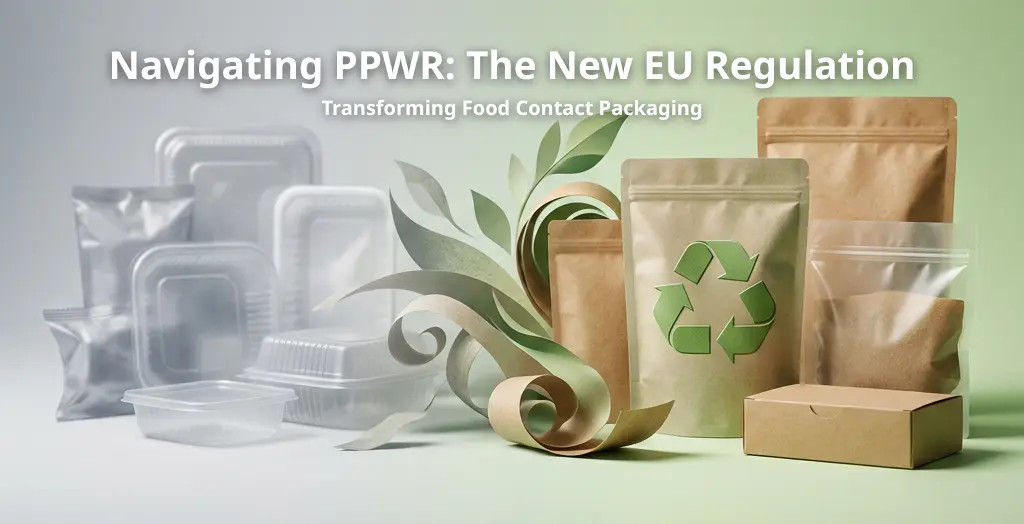
Navigating PPWR: The New EU Regulation Transforming Food Contact Packaging
For manufacturers, importers, and exporters operating within or selling to the European Union (EU), the business landscape is undergoing a monumental shift. The catalyst?
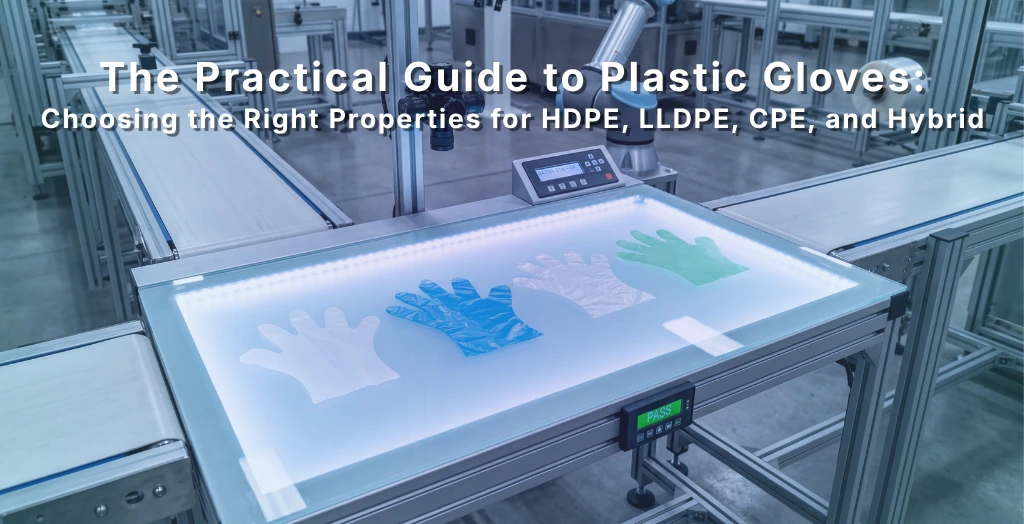
The Practical Guide to Plastic Gloves: Choosing the Right Properties for HDPE, LLDPE, CPE, and Hybrid
In the food production, food service, supermarket, and hospitality sectors, single-use plastic gloves serve as a critical tool for maintaining Good Hygiene Practices (GHP). They offer a convenient, straightforward method to ensure cleanliness and prevent direct skin-to-product contact—all within a highly manageable budget.
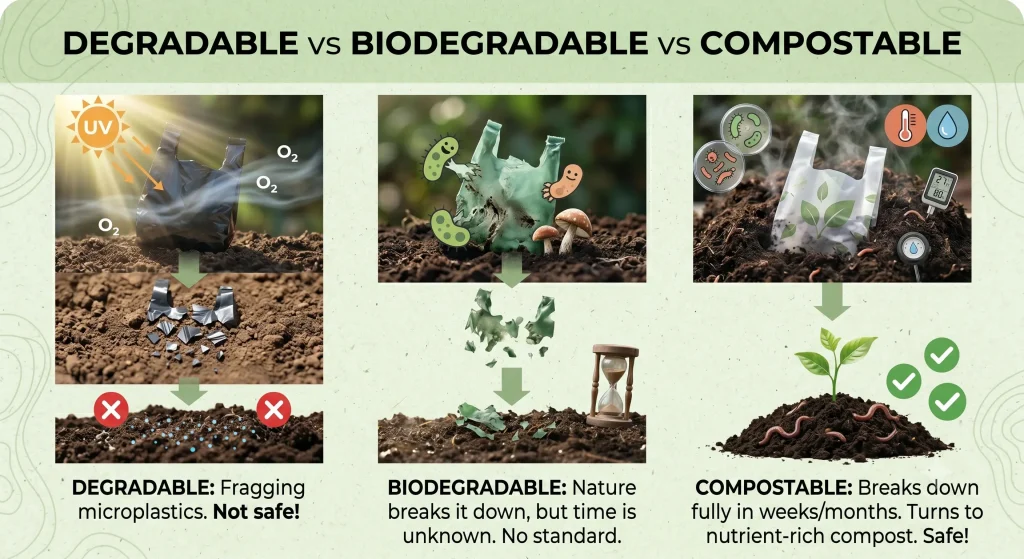
Green Vocabulary: Degradable, Biodegradable, and Compostable — What’s the Difference?
In an era where Sustainability drives business strategies, choosing the right eco-friendly packaging is crucial.
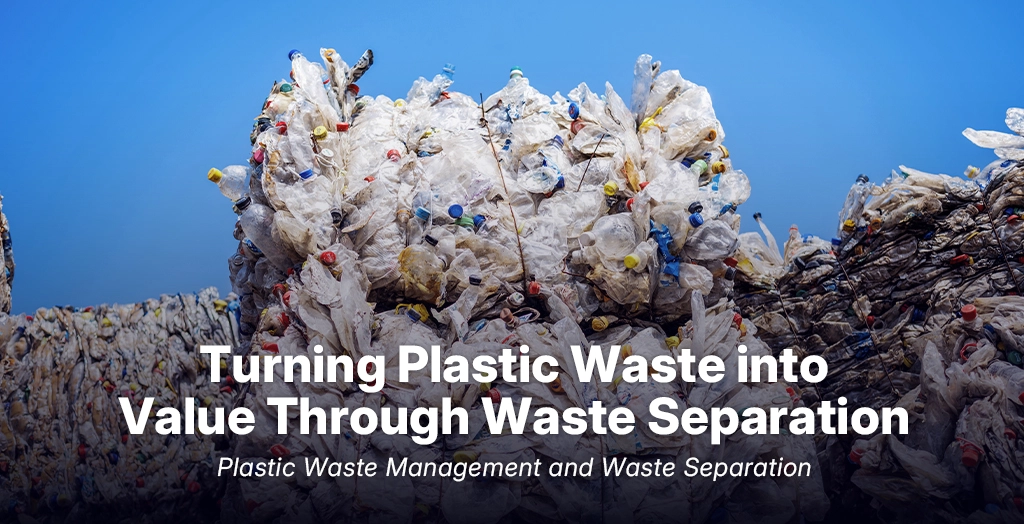
Plastic Waste Management & Separation: From Waste back to Raw Material
"Plastic" is arguably the biggest villain in today's environmental discussions. Many try to avoid it completely, but in reality, plastic plays an indispensable role in our daily lives—ensuring food safety, maintaining hygiene, providing product security, and keeping costs accessible.
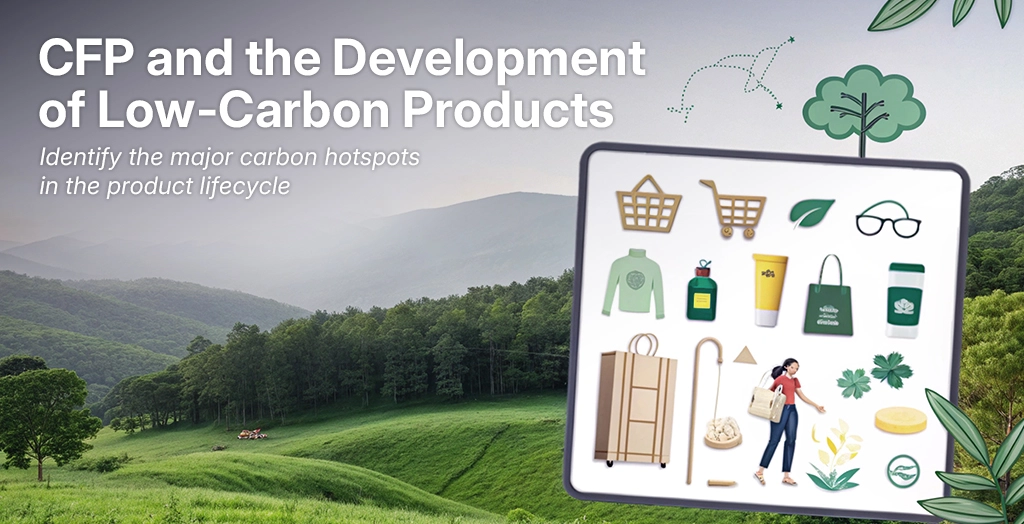
The Nexus Between CFP and Carbon Reduction: Crafting Authentic Low Carbon Products
As organizations race to develop Low Carbon Products, the most critical question in the boardroom isn't “How do we reduce carbon?” but rather, “Where should we reduce it to make a real, measurable impact?”
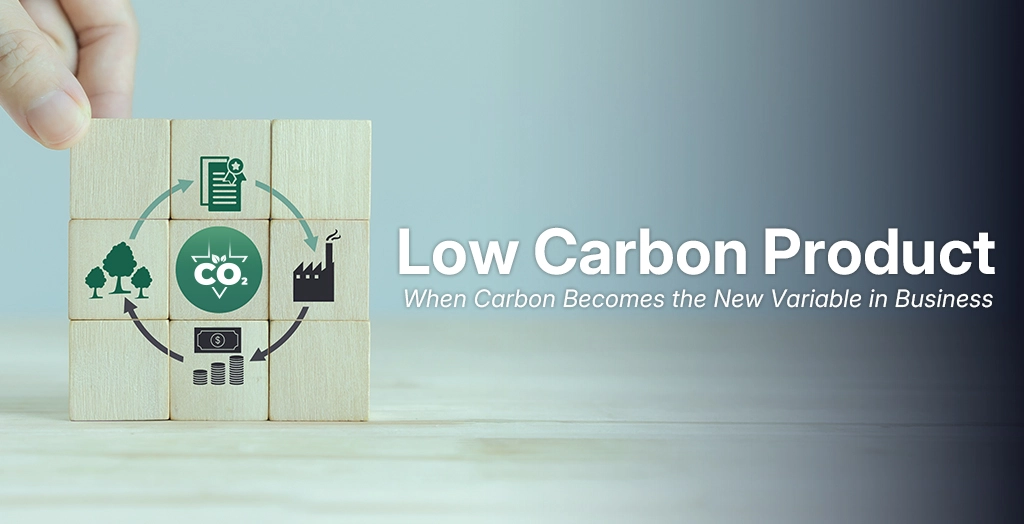
Low Carbon Product: When “Carbon” Becomes the New Equation in Business Success
When you buy a product, what crosses your mind first? Quality? Price? Convenience?
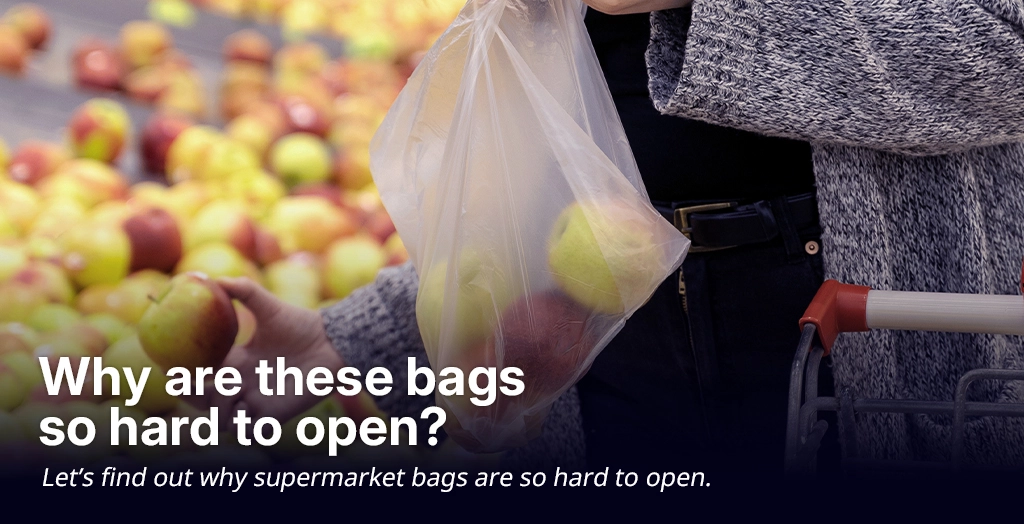
Why Are Produce Bags at the Supermarket So Hard to Open?
We've all been there. You tear a bag off the roll, try to pull the opening apart, rub it between your fingers, blow into it — and it still refuses to open. The two sides cling together like they were sealed shut on purpose.
PPWR: The EU Regulation That’s Redefining What Packaging Needs to Be
Packaging used to be simple. Protect the product, look good on the shelf, keep costs down. But if you're selling into the EU — or planning to — that definition no longer covers it.

Stockholm Convention: Why Some Chemicals Were Banned Worldwide — And Why It Matters for Your Products?
Have you ever wondered why certain chemicals that were once used everywhere — in factories, farms, and everyday products — are now banned in almost every country? Not because they stopped working, but because they never really went away.
“Are Your Products PFAS-Free?” — A Short Question with a Long Answer
If you work in packaging, chances are you've received this email: one line, no context, just — "Can you confirm your products are PFAS-free?"
What Is SVHC? The EU Chemical List Every Exporter Must Check
You've probably heard of REACH, but you might not know there's a special group of chemicals under extra scrutiny — that's SVHC, or "Substances of Very High Concern." These substances are hiding in everyday products you might be exporting to the EU without realizing it.