

The Hidden Chemicals Lurking in Your Food and Body
Imagine you eat well, exercise regularly, and generally take care of your health — yet deep inside your fat tissue, there are toxic chemicals that were manufactured decades before you were born. That’s the unsettling reality of POPs, or Persistent Organic Pollutants: a class of chemical contaminants that scientists around the world are watching very closely.
In this article, we’ll walk you through everything you need to know about POPs — what they are, where they come from, how they get into your body, and why this matters for you and the people you love.
What Are POPs? (Persistent Organic Pollutants Explained)
POPs stands for Persistent Organic Pollutants. The word “persistent” is the key. Unlike most chemicals that break down over time, POPs resist degradation — they can linger in the environment for decades, and some for centuries.
Simply put, POPs share four defining characteristics that set them apart from other chemicals:
- Extremely slow to break down — They resist light, heat, acids, and biological decomposition.
- Long-range travelers — They evaporate and drift with air and water currents, crossing entire continents.
- Bioaccumulative — They build up in the fatty tissue of animals and humans over time.
- Harmful to health and ecosystems — Even low concentrations can cause serious harm.
Where Do POPs Come From? Common Types and Sources
POPs don’t have a single origin. They come from multiple sources — some deliberately manufactured by humans, others released unintentionally as byproducts of industrial processes.
1. Legacy Pesticides
Chemicals like DDT, Aldrin, Dieldrin, Chlordane, Heptachlor, and Toxaphene were widely used pesticides throughout the mid-20th century. DDT in particular was hailed as a “miracle” for killing mosquitoes and controlling malaria — until biologist Rachel Carson’s landmark 1962 book Silent Spring exposed its devastating effects on wildlife and human health.
2. Industrial Chemicals
PCBs (Polychlorinated Biphenyls) were used extensively in electrical transformers and other industrial equipment. Flame retardants such as HBCDD and c-decaBDE were added to plastics, foams, and textiles to reduce fire risk. These chemicals were embedded in millions of industrial products and continue to leach out into the environment today.
3. Unintentional Byproducts
Dioxins and Furans are never manufactured on purpose. They form as byproducts of waste incineration, paper bleaching, metal smelting, and even wildfires. These compounds are among the most toxic substances ever identified, and their presence is a direct consequence of industrial activity.
How Do POPs Enter Your Body?
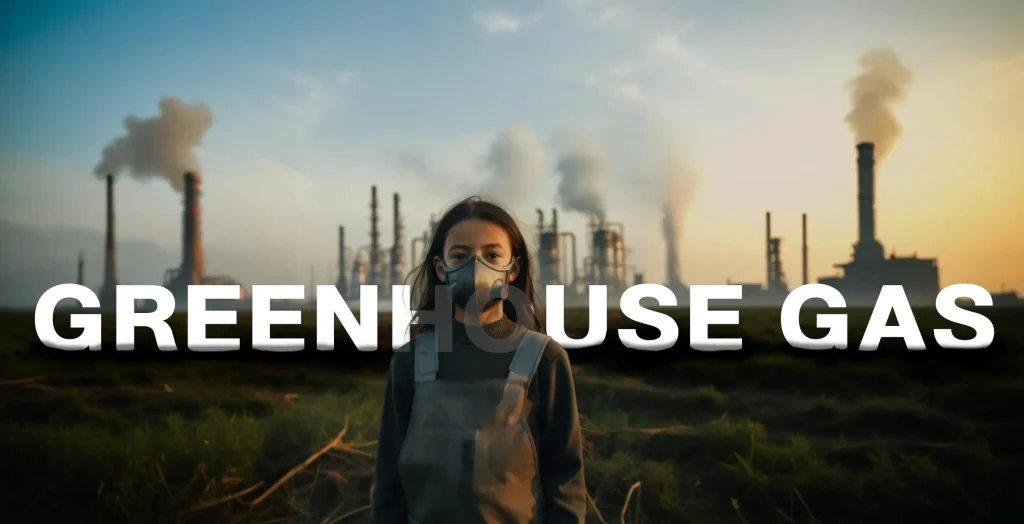
Here’s the part that surprises most people — you don’t need to work in a chemical factory or live next to a waste dump to be exposed to POPs. These substances have become part of the global environment, and exposure is nearly universal.
Through the Food Chain (The Main Route)
The most dangerous pathway is a process called biomagnification — the amplification of chemical concentration at each step up the food chain. POPs from water and soil are absorbed by plankton. Small fish eat the plankton. Larger fish eat the small fish. Humans eat the large fish. At every step, the concentration multiplies dramatically. This is why seafood, freshwater fish, meat, dairy, and other animal-based foods are the primary sources of POP exposure for most people.
Through Air and Direct Contact
Air near industrial areas, sites where waste is burned, or even the dust inside homes with older furniture containing flame retardants can all be sources of POPs exposure — often without any visible warning signs.
From Mother to Child
One of the most sobering facts about POPs is that they can be passed from mother to child — both through the placenta during pregnancy and through breast milk after birth. This means a newborn who has never consumed contaminated food can already carry a body burden of POPs from the very first days of life.
What Do POPs Do to Your Health?
Because POPs dissolve readily in fat, they accumulate in the body’s fatty tissue and exert their effects over a long period of time. A growing body of research has linked POPs exposure to:
- Reproductive harm: Reduced sperm quality, disrupted ovulation, and increased risk of miscarriage.
- Hormonal disruption: POPs mimic estrogen in the body, potentially leading to endocrine disorders.
- Immune system suppression: Weakened immune response, making the body less able to fight off disease.
- Developmental effects in children: Potential impacts on the nervous system and brain development in children exposed in utero.
- Cancer risk: Several POPs are classified as probable or possible human carcinogens by international health authorities.
How Is the World Responding? The Stockholm Convention
In 2001, nations around the world signed the Stockholm Convention, a landmark international treaty aimed at eliminating or restricting the most dangerous POPs. It began with 12 chemicals known as “The Dirty Dozen” and has since expanded its list as new evidence emerges.
Many countries — including Thailand — have ratified the convention and enacted domestic laws to restrict or ban specific POPs. However, the challenge remains significant: POPs released decades ago continue to circulate in the environment, and new chemicals with similar properties are still being developed and introduced into global supply chains.
The Future of POPs: What We Still Need to Watch
Despite real progress in regulation, scientists remain concerned about three key issues:
- Next-generation POPs: Newer chemicals like PFAS (“forever chemicals”) are under growing scrutiny for displaying POP-like persistence and health effects.
- Legacy waste and contaminated materials: Old electrical equipment, thermal insulation, and contaminated soil continue to slowly release POPs into the environment.
- Climate change as a multiplier: Rising temperatures may re-mobilize POPs that have been locked in Arctic ice for decades, releasing them back into ecosystems worldwide.
Why Should You Care About POPs?
POPs aren’t just a concern for scientists or environmental advocates — they’re relevant to every one of us. From what you put on your plate to the air you breathe to the health of children not yet born, the reach of these chemicals is impossible to ignore.
Understanding POPs is the first and most important step. Knowledge empowers better personal choices, stronger policy support, and collective action toward a cleaner, safer world — for this generation and the next.
Frequently Asked Questions About POPs
Q: Are POPs still present in everyday food?
A: Yes. Low levels of POPs are still detectable in seafood, meat, dairy, and animal fats. Trimming visible fat from meat and fish before cooking can help reduce exposure, though it cannot eliminate it entirely.
Q: Does Thailand regulate POPs?
A: Yes. Thailand has ratified the Stockholm Convention and has enacted chemical hazard legislation accordingly. The country is also working on updated measures to address newly identified POPs as the international list continues to grow.
Q: Can you remove POPs from your body?
A: The body cannot quickly eliminate POPs because they bind to fatty tissue. Currently, no medical treatment has been proven to effectively remove POPs from the body. The most practical step is reducing new exposure — particularly by being mindful of the foods highest in animal fats.