
A significant milestone for Thai manufacturing on the path to sustainability.
Bags and Gloves Co., Ltd., a leading Thai manufacturer of plastic gloves, bags, and film-based packaging, has been officially certified with the Carbon Footprint of Products (CFP) by the Thailand Greenhouse Gas Management Organization (TGO).
This national-level certification confirms that our products have undergone a comprehensive greenhouse gas emission assessment throughout their entire life cycle—from raw material sourcing and production to product disposal.
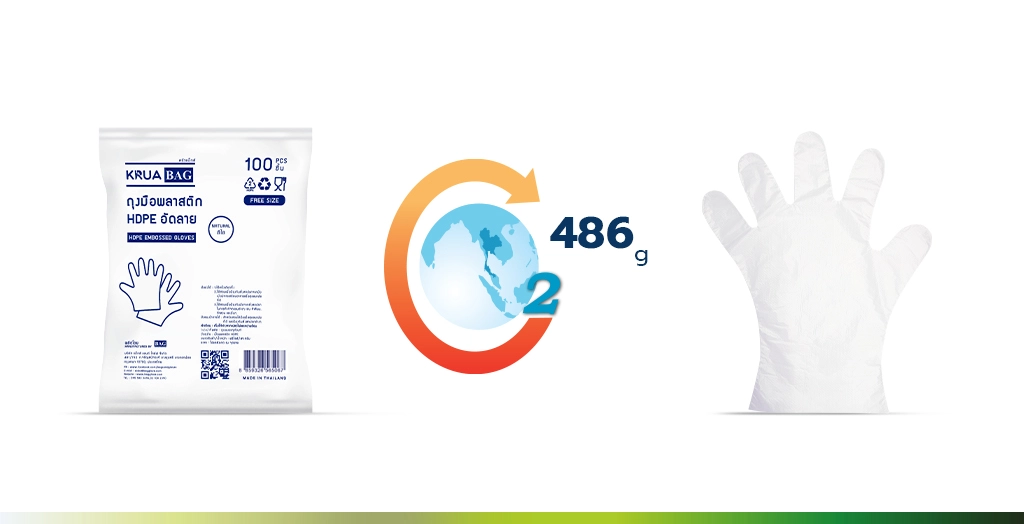
Certified Product Details
The certified product is the HDPE Plastic Gloves (Model: KRUA-B-HDGLNA-005, 100 pieces per pack), with a verified carbon footprint of 486 gCO₂e.
This certification demonstrates our dedication not only to environmental responsibility but also to measurable and verifiable sustainability performance—beyond statements or policies on paper.
What is CFP and Why It Matters
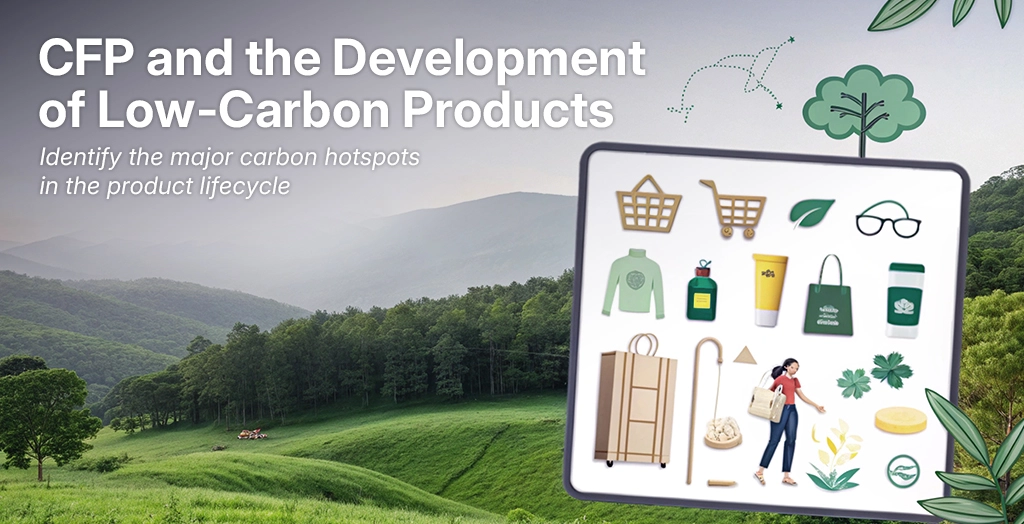
Carbon Footprint of Products (CFP) measures the total amount of greenhouse gases emitted throughout a product’s entire life cycle, including:
- Raw material acquisition
- Transportation
- Manufacturing
- Usage
- End-of-life management
Receiving the CFP label means:
- Our products have transparent, verifiable carbon data
- They emit fewer greenhouse gases than the standard benchmarks within their category
- They serve as a responsible choice for environmentally conscious consumers
More Than a Label — A Catalyst for Change
For us, the CFP certification is not just a badge—it marks a transformative step forward for Thailand’s packaging industry.
The data and insights gained from CFP assessments help us:
- Improve production efficiency
- Optimize energy usage
- Continuously develop lower-impact, more eco-friendly products
We are committed to expanding CFP certification across more of our product lines to elevate manufacturing standards and support consumers who value sustainability.
29 Years of Growth with Responsibility
For nearly three decades, Bags and Gloves Co., Ltd. has upheld its core values of quality, responsibility, and sustainability.
Earning the CFP certification reaffirms our belief that success is not only about producing high-quality products, but also about creating products that are accepted by the market and respected by the planet.