Discover the Sustainable Innovation Shaping the Future of Materials
The global plastic waste crisis continues to grow—and finding effective, sustainable solutions has never been more important. One innovation leading the way is PCR Plastic, a material increasingly recognized as an eco-friendly alternative for various industries.
At Bags and Gloves Co., Ltd., we’re passionate about introducing materials that support sustainability and circular economy goals. Let’s explore what PCR plastic is, how it benefits the environment, and how it’s being applied across industries worldwide.
What Is PCR Plastic?
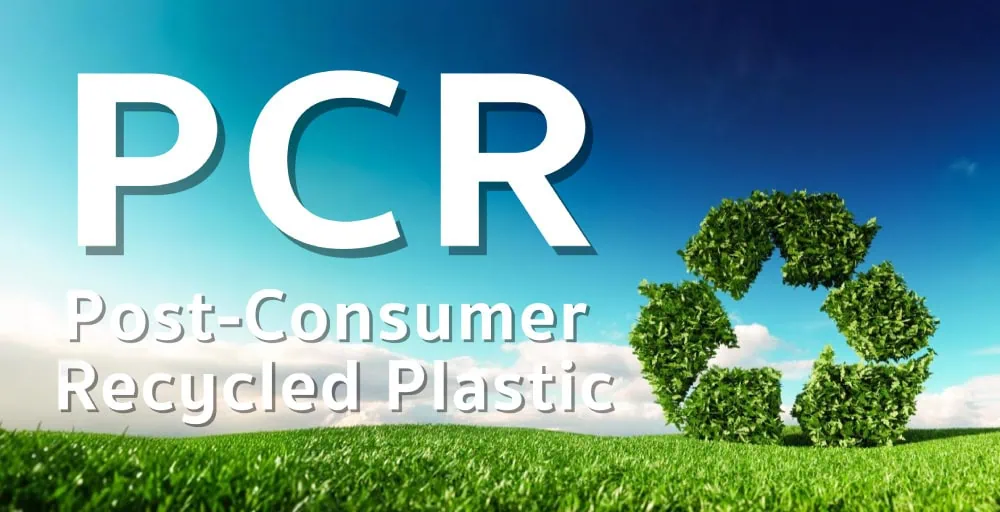
PCR Plastic stands for Post-Consumer Recycled Plastic. It’s made by recycling plastic waste that has already been used by consumers—such as water bottles, packaging films, or containers—and processing it into reusable plastic pellets.
Using PCR plastic helps reduce the amount of plastic waste sent to landfills or incineration and significantly lowers the demand for virgin plastic production—making it an essential step toward a more sustainable manufacturing future.
Types of PCR Plastic
There are several kinds of PCR plastics, each designed for different applications:
- PCR PET (Polyethylene Terephthalate):
Commonly used in water bottles, beverage packaging, and food containers. It’s clear, durable, and can be recycled multiple times. - PCR HDPE (High-Density Polyethylene):
Ideal for cosmetic bottles, shampoo containers, and cleaning product packaging. Known for its strength and chemical resistance. - PCR PP (Polypropylene):
Used in food packaging and heat-resistant plastic containers requiring rigidity and durability. - PCR LDPE (Low-Density Polyethylene):
Found in plastic bags, stretch films, and flexible packaging thanks to its excellent elasticity.
Key Properties and Pros & Cons of PCR Plastic
Strengths
- Durable and recyclable again:
Even after recycling, PCR plastic retains much of the strength and toughness of new plastic, and can often be recycled multiple times. - Lower energy consumption:
Producing PCR plastic uses 40–70% less energy than manufacturing virgin plastic, depending on the material and recycling technology. This also helps reduce greenhouse gas emissions. - Eco-friendly and resource-efficient:
Reduces the need for new fossil-based raw materials, supporting carbon footprint reduction goals for sustainable brands.
Limitations
- Slightly less transparent than virgin plastic:
Due to prior use and reprocessing, PCR plastic may appear slightly duller or less uniform in color—but modern recycling technologies have improved this greatly. - Possible impurities:
Depending on recycling quality, PCR plastic may contain small amounts of contaminants, limiting its use in high-purity applications such as certain medical devices. - Variable color and quality:
Because recycled inputs differ by batch, the color tone or texture can vary. However, advances in sorting and cleaning technologies continue to improve consistency. - Higher production cost in some cases:
While energy use is lower, collection, cleaning, and sorting systems can increase costs compared to virgin materials.
Why Choose PCR Plastic?
- Environmentally responsible:
Reduces landfill waste and plastic pollution while promoting a circular economy. - Lower carbon footprint:
PCR production emits 60–80% less CO₂ than virgin plastic manufacturing. - Globally supported and consumer-approved:
Many countries are now encouraging or mandating recycled material usage, and eco-conscious consumers increasingly prefer sustainable packaging.
Choosing PCR plastic not only helps the planet but also enhances brand value by aligning with global sustainability trends.
PCR Plastic Applications Across Industries
1. Packaging Industry
PCR plastic is now widely used in packaging—many leading global brands have pledged to use 100% recyclable or recycled packaging by 2030.
Common examples include:
- rPET water and beverage bottles
- Food trays and containers made from PCR PP
- Flexible films and bags produced from PCR LDPE
2. Consumer Goods
Manufacturers of everyday products are turning to PCR plastic to meet growing consumer demand for sustainability:
- Home appliances (vacuum cleaners, washing machines, refrigerators)
- Electronics (computers, mobile phones)
- Household products (bins, containers, hangers)
3. Automotive Industry
PCR plastic is used to produce lightweight, durable car parts such as:
- Interior components (door panels, consoles, glove boxes)
- Under-hood parts (washer tanks, battery covers)
- Exterior trims (bumpers, wheel arch liners)
4. Textile and Apparel Industry
Recycled PCR PET is transformed into polyester fibers used in:
- Clothing and sportswear
- Bags, shoes, and accessories
- Blankets, carpets, and home décor fabrics
5. Construction Industry
PCR plastics are also gaining ground in construction for their durability:
- Composite wood and decking materials
- Pipes and plumbing components
- Insulation and roofing panels
Partner with Bags and Gloves Co., Ltd. for Sustainable Plastic Solutions
At Bags and Gloves Co., Ltd., we specialize in high-quality PCR plastic films and products that meet global standards while supporting your company’s sustainability goals.
Why work with us?
- Trusted Quality: Every production step is carefully controlled for safety and reliability.
- Over 28 Years of Experience: We continually innovate to meet the evolving needs of various industries.
- Global Network: Serving both local and international clients with reliable delivery and exceptional product consistency.
Our Products Include:
- Protective plastic garments and body covers
- Aprons
- Plastic bags and trash bags
We help businesses reduce environmental impact while maintaining performance, durability, and cost efficiency.
Ready to take your sustainability goals further?
Explore more about PCR plastic products from Bags and Gloves Co., Ltd. at https://www.bagglove.com/
To discuss customized production or bulk orders, contact us here — our team is ready to support your eco-friendly transformation.