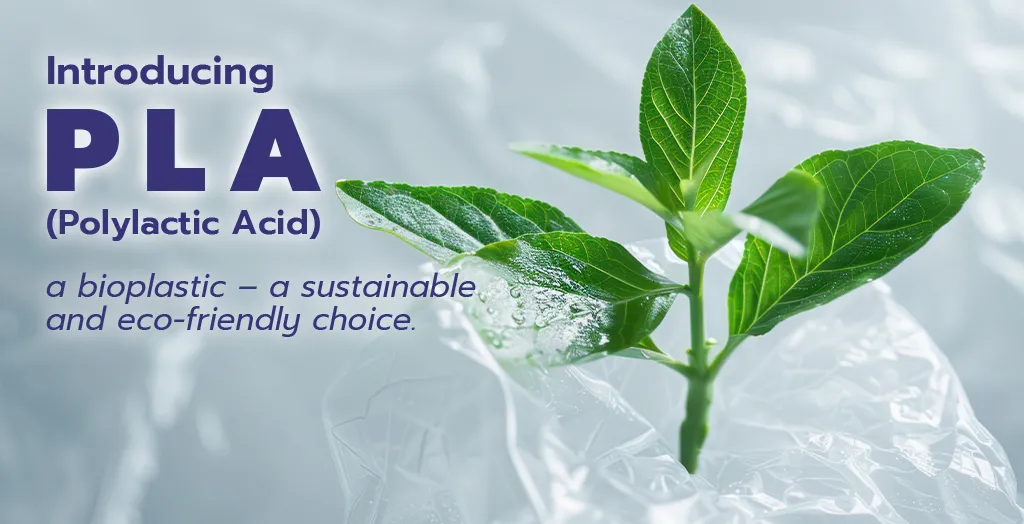
Discover the Eco-Friendly Bioplastic Transforming the Future of Packaging
As plastic waste continues to be one of the world’s most pressing environmental issues, industries are now shifting toward sustainable materials that reduce impact on the planet. One material gaining global attention is PLA (Polylactic Acid) — a type of bioplastic made from renewable plant sources.
At Bags and Gloves Co., Ltd., we’re committed to driving innovation toward a more sustainable future. In this article, we’ll explore what PLA is, how it’s made, its properties, key applications, advantages, and limitations — helping you decide if it’s the right material for your business.
What Is PLA Plastic?
PLA (Polylactic Acid) is a biodegradable plastic derived from natural sources such as corn starch, cassava, sugarcane, or other crops rich in starch and sugar. Unlike conventional plastics that rely on petrochemicals and take hundreds of years to decompose, PLA is compostable under the right conditions and made entirely from renewable resources.
How PLA Is Made
The production of PLA involves several key steps:
- Extracting starch and sugar – Natural starch and sugars from plants are extracted through chemical or biological processes.
- Fermentation – Microorganisms ferment these sugars to produce lactic acid.
- Purification – The lactic acid is purified to ensure high quality.
- Polymerization – Lactic acid molecules are linked together in a process called polymerization, forming the polymer Polylactic Acid (PLA).
- Shaping and molding – The PLA resin is then processed into films, fibers, or finished products for various industries.
4 Key Properties of PLA
1. Biodegradable and Compostable
PLA can naturally degrade under industrial composting conditions within 3–6 months, a significant improvement over traditional plastics that can last centuries. Its degradation is most effective in warm, humid environments with active microorganisms.
2. Eco-Friendly and Low Carbon Footprint
Compared to conventional plastics, PLA has a 50–70% lower carbon footprint. Because it’s made from plants that absorb CO₂ during growth, the overall carbon emissions throughout its lifecycle are much lower — making it one of the most environmentally responsible plastic alternatives available.
3. Moderate Heat Resistance
PLA melts at around 150–180°C, which is lower than PET (260°C). This means PLA is best suited for cold or room-temperature applications, such as beverage cups or food containers, rather than hot food packaging.
4. High Strength and Transparency
PLA offers excellent rigidity, surface gloss, and transparency — making it ideal for clear packaging that showcases the product inside while maintaining durability and quality.
Common Applications of PLA
1. Food Packaging and Containers
- PLA Cups: A sustainable alternative to traditional plastic cups, widely used in coffee shops, restaurants, and events. PLA cups look just like PET cups but can biodegrade when properly disposed of in composting facilities.
- PLA Cutlery and Straws: As single-use plastics are phased out worldwide, PLA-based utensils are becoming a preferred eco-friendly option.
- PLA Cling Films: These films provide excellent barrier protection against gases and moisture — suitable for wrapping fresh produce or ready-to-eat meals.
2. 3D Printing Materials
PLA is one of the most popular 3D printing filaments because it’s easy to print, does not emit toxic fumes, and delivers smooth, precise details.
Key advantages include:
- Easy to shape and print with no warping
- No heated bed required
- Odorless and safe for indoor use
- Wide color and transparency options
Common uses include product prototypes, decorative pieces, toys, and non-load-bearing components.
3. Medical Applications
In healthcare, PLA is used in absorbable sutures that naturally degrade inside the body, eliminating the need for removal after healing. It’s also used in drug delivery systems, bone fixation devices, and biodegradable implants — reducing surgical interventions and improving patient comfort.
Advantages of PLA Plastic
- Lower Environmental Impact:
PLA breaks down faster and releases no toxic substances during degradation. It also reduces greenhouse gas emissions compared to traditional plastics. - Renewable and Sustainable:
Made entirely from plant-based sources that can be replenished, PLA reduces dependency on limited fossil resources. - Safe for Food and Human Contact:
PLA is free from harmful chemicals like BPA (Bisphenol-A) and phthalates, making it safe for food packaging and medical use.
Limitations of PLA
- Low Heat Resistance:
PLA begins to soften at around 60°C, which limits its use for hot beverages, hot foods, or industrial components exposed to high temperatures. - Higher Production Costs:
Currently, PLA remains more expensive than petrochemical plastics due to smaller production volumes and complex processing. However, costs are expected to decrease as global demand and manufacturing technology advance. - Requires Specific Composting Conditions:
While PLA is biodegradable, it needs industrial composting facilities with high heat and humidity to fully decompose. In landfills or natural environments, degradation can take years.
Conclusion
PLA (Polylactic Acid) is a promising, sustainable material that bridges innovation and environmental responsibility. Its renewable origin, compostability, and versatility make it a top choice for packaging, 3D printing, and even medical use.
Although PLA has limitations — such as lower heat resistance and higher production costs — it remains one of the most practical and scalable solutions to reducing plastic waste and promoting a circular economy.
As global environmental awareness continues to grow, PLA is set to play a key role in the shift toward a more sustainable future.
Bags and Gloves Co., Ltd. — Your Trusted Partner in Plastic Innovation
At Bags and Gloves Co., Ltd., we provide PLA-based plastic products designed to meet the needs of modern industries — combining high performance with environmental care.
Why Choose Us
- Certified Global Standards — We operate under internationally recognized production standards.
- High-Quality Materials & Technology — Ensuring every product meets your performance and sustainability requirements.
- Custom Solutions — We tailor products to meet your specific application needs.
Our Product Range
- Disposable protective wear
- Aprons and body covers
- Industrial plastic bags and liners
- Eco-friendly packaging solutions
Learn More
Visit https://www.bagglove.com to explore our full range of PLA and sustainable plastic products.
International Sales
(+66) 2-108-2390
(+66) 95-583-3696
sales@bagglove.com
Domestic Sales
(66) 2-108-2390 ext. 104
LINE OA: @bagglove
sales.d@tna-thailand.com