
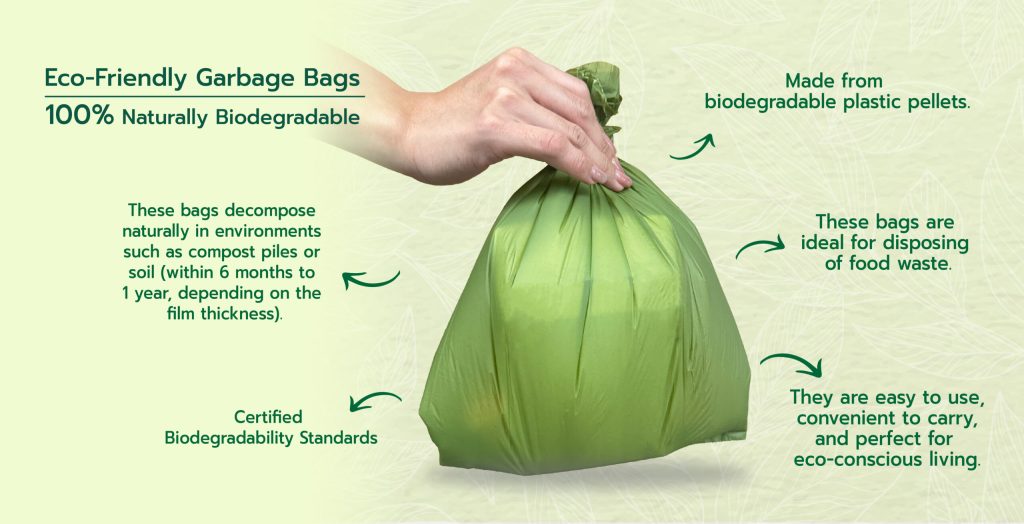
The surge in online shopping and food delivery services, especially during COVID-19 lockdowns, has led to a significant increase in waste generation. According to the Thailand Environment Institute Foundation (TEI), plastic waste surged by over 60% during the pandemic, with food delivery services and online shopping systems growing exponentially in major cities like Bangkok.
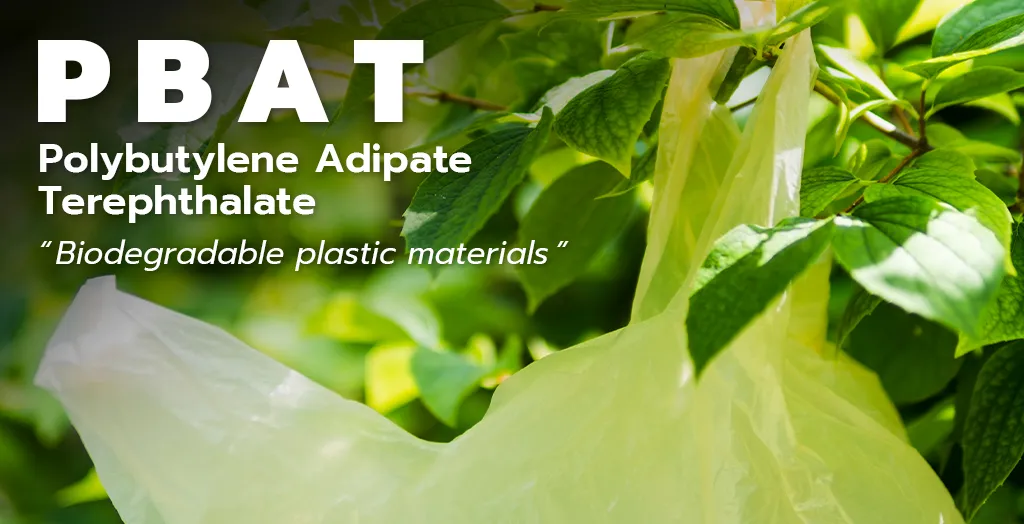
To address the plastic waste crisis, it is essential not only to reduce and eliminate the production of plastics but also to adopt alternative materials that biodegrade naturally without harming the environment. Compostable packaging is one such solution.
What is Compostable Packaging?
Compostable packaging refers to materials that can decompose under controlled conditions, ensuring they leave no harmful residues in the environment. Packaging components, such as substrates, inks, and coatings, must meet strict criteria to ensure they decompose entirely.
Certified compostable inks, for example, comply with the European EN 13432 standard. This standard allows up to 5% of non-compostable materials by weight, provided they do not harm the final compost or plants. Companies like DIC Corporation have developed inks, adhesives, and coatings that meet these standards and have received “OK Compost” certification from TUV Austria.
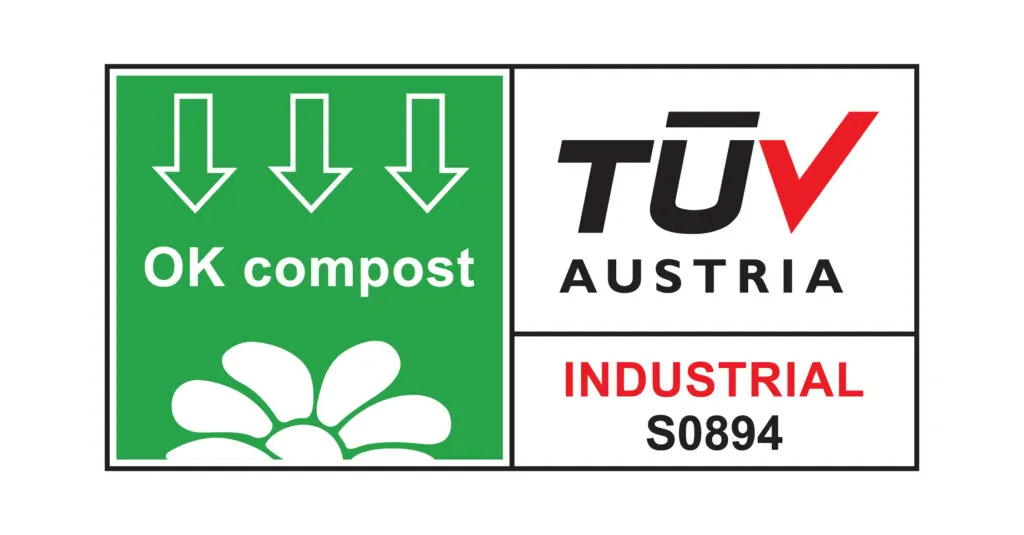
OK Compost Certification
The “OK Compost” certification ensures packaging meets stringent biodegradation standards. It is divided into:
- OK Compost Industrial (EN 13432): For materials that biodegrade in industrial composting facilities at high temperatures (45–80°C).
- OK Compost Home: For materials that biodegrade in natural conditions at lower temperatures (15–45°C).
While Thailand currently lacks regulations for compostable packaging, adopting these standards can open export opportunities to environmentally conscious markets in Europe, where such packaging is in high demand. Despite the potential for higher production costs, consumers increasingly value and are willing to pay for eco-friendly solutions.
By embracing compostable materials and aligning with global environmental standards, businesses in Thailand can play a crucial role in reducing plastic waste while expanding their market reach.