
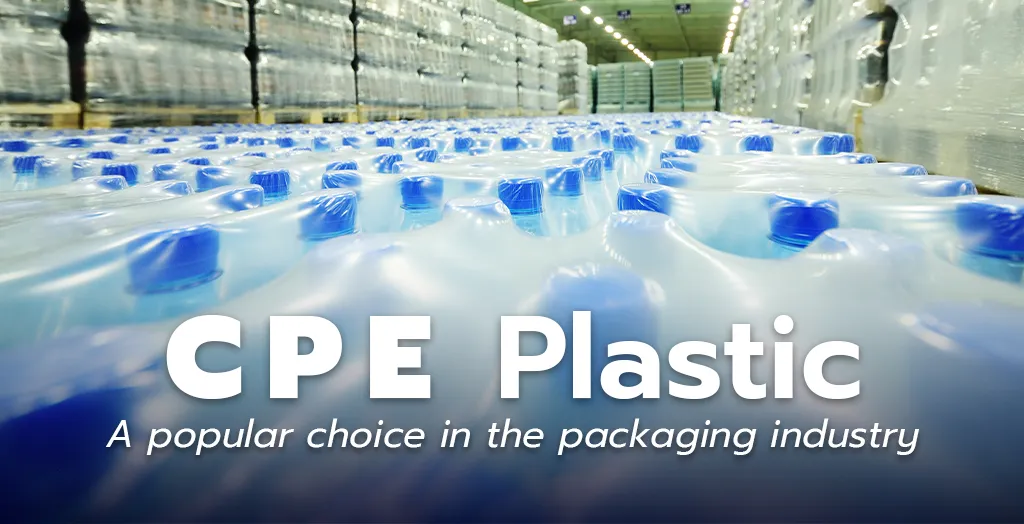
When it comes to plastics that offer high durability, flexibility, and versatility, CPE plastic is one of the top choices across many industries. But what exactly is CPE? How is it different from other plastics, and why is it widely used in automotive, packaging, and construction?
This article will walk you through everything you need to know about CPE plastic—its properties, benefits, drawbacks, and common applications.
What is CPE Plastic?
CPE stands for Chlorinated Polyethylene, a type of plastic made by chemically modifying polyethylene with chlorine. This process enhances the material’s performance, giving it superior qualities compared to standard polyethylene.
Thanks to its chemical resistance, heat tolerance, weather durability, and flexibility, CPE is suitable for demanding applications where safety, strength, and long-lasting performance are critical.
Key Properties of CPE Plastic
- Chemical and Heat Resistance
CPE is highly resistant to acids, alkalis, oils, and many organic solvents. It also withstands high temperatures without deforming easily. This makes it ideal for industries that handle chemicals or operate under high heat, such as automotive and construction. - Flexibility and Impact Strength
Despite its strong molecular structure, CPE remains flexible. It can absorb shock and impact without cracking, even under pressure. This makes it suitable for protective films, packaging, and automotive parts that require both strength and flexibility. - Waterproof and UV Resistant
CPE does not absorb water and maintains its structure in humid environments. It also offers UV protection, making it reliable for outdoor use in products such as pipes, roofing materials, and construction components exposed to sunlight and harsh weather.
Common Applications of CPE Plastic
- Packaging Industry
- Used in high-quality food wrap films due to its water resistance and chemical stability.
- Ideal for strong plastic bags that can handle heavy loads, such as supermarket bags and industrial packaging.
- Automotive Industry
- Essential in manufacturing seals, hoses, and engine components.
- Resistant to heat, oils, and chemicals, reducing wear and extending product life.
- Improves flexibility and noise reduction inside vehicles.
- Construction Industry
- Used in pipes, waterproofing membranes, and insulation materials.
- Withstands UV rays and extreme weather, making it perfect for outdoor systems such as water pipes and flooring materials.
- Electrical and Electronics
- Often used as insulation for wires, switches, and electronic housings.
- Provides high safety against static, short circuits, and corrosion caused by moisture or chemicals.
Pros and Cons of CPE Plastic
Advantages
- High durability in harsh environments – resistant to moisture, heat, chemicals, and UV rays.
- Excellent flexibility – ideal for applications requiring impact resistance and adaptability.
- Enhances other plastics – can be used as a modifier to strengthen PVC, PE, and other materials.
Limitations
- Higher cost – CPE is more expensive to produce compared to common plastics like PE or PP.
- Recycling challenges – requires specialized recycling processes, which can increase costs compared to conventional plastics.
Is CPE Plastic the Right Choice?
CPE plastic is a versatile, high-performance material widely used in industries such as automotive, construction, packaging, and electronics. While it may come at a higher cost and with recycling limitations, its durability, flexibility, and safety features make it a worthwhile investment—especially for products that require long-term performance in demanding conditions.
High-Quality CPE Plastic Films from Bags and Gloves Co., Ltd.
If you’re looking for premium plastic film solutions, Bags and Gloves Co., Ltd. is your trusted partner.
- Uncompromising Quality – Manufactured from top-grade materials under strict quality control, perfect for food and medical industries.
- 28+ Years of Expertise – Decades of innovation and experience serving diverse industries worldwide.
- Global Network – Reliable supply and shipping for customers across the globe.
From packaging films to custom plastic products, we provide safe, durable, and sustainable solutions tailored to your needs.
Learn more at Bags and Gloves Co., Ltd or contact us directly to order or request custom production today.
Choosing plastic gloves for your business?
HDPE and CPE gloves are intended for light-duty work, short contact, frequent changes and low-risk tasks. Material properties do not establish chemical protection or medical suitability. Request food-contact documents for the exact product specification and destination market before approval.
Explore HDPE gloves and packing options · Compare CPE gloves · Wholesale and OEM manufacturing
Send your intended task, size, quantity, packing format and destination market to Bags and Gloves for specification review and a quotation.