A Key Certification for a Sustainable Future
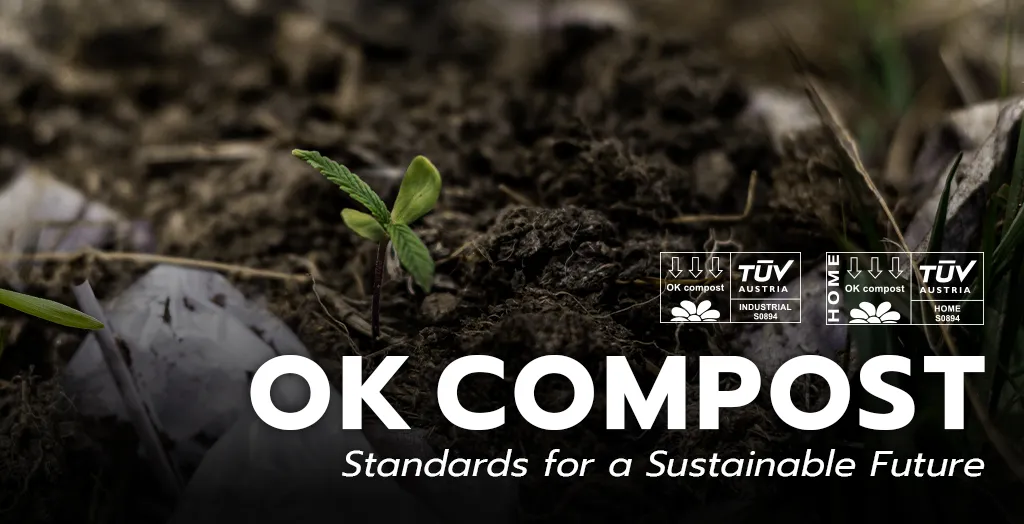
As global concerns over environmental issues and plastic waste continue to grow, the development of eco-friendly and biodegradable products has become increasingly vital. One of the most recognized international certifications for biodegradable products is “OK Compost” by TÜV Austria — a certification that verifies a product’s ability to biodegrade safely without harming the environment.
TÜV Austria: A Global Leader in Certification
TÜV Austria is a leading international certification body from Austria with over 150 years of expertise in testing, inspection, and certification across multiple industries — including industrial safety, automotive, food, and environmental standards.
Renowned for its independence, credibility, and strict standards, TÜV Austria has developed globally recognized certification systems for biodegradable and compostable materials, known collectively as “OK Compost.” This certification has become a trusted standard throughout Europe and around the world.
What is OK Compost?
OK Compost is a certification mark that indicates a product can fully biodegrade under composting conditions within a specified period — leaving no toxic residues or harmful substances in the environment.
To earn the OK Compost certification, a product must pass rigorous testing in several key areas:
- Biodegradation:
The product must biodegrade by at least 90% within six months under controlled composting conditions, with microorganisms naturally breaking it down. - Disintegration:
The material must disintegrate into fragments smaller than 2 mm within 12 weeks of composting. - Ecotoxicity:
The resulting compost must be non-toxic to plants, supporting normal growth and not harming ecosystems. - Chemical Safety:
The product must contain safe levels of heavy metals and chemicals, in compliance with international compostability standards.
Types of OK Compost Certification
TÜV Austria provides two main types of OK Compost certifications to reflect different composting environments:
1. OK Compost INDUSTRIAL
This certification applies to products that can biodegrade in industrial composting facilities, where conditions such as temperature (typically 55–60°C) and humidity are carefully controlled for rapid decomposition.
It is typically used for packaging materials or products designed for industrial waste management systems.
2. OK Compost HOME
This certification applies to products that can biodegrade under home composting conditions, which occur at lower temperatures (around 20–40°C) and involve a slower, more complex process.
Products with this label are ideal for household composting and can safely decompose in garden or backyard environments.
Why OK Compost Matters
The OK Compost certification plays an important role across environmental, economic, and social dimensions:
- Environmental:
Ensures that biodegradable plastics and materials leave no harmful residues such as heavy metals or toxic substances that could affect plant growth or ecosystems. - Economic:
Builds consumer trust in certified eco-friendly products, helping companies expand into green markets and differentiate themselves through sustainability. - Social:
Promotes awareness and behavioral change, encouraging consumers to make environmentally responsible choices and contribute to a sustainable future.
Examples of OK Compost-Certified Products
A wide range of products can be certified under OK Compost, including:
- Packaging materials: Biodegradable plastic bags, garbage bags, shopping bags, food containers, cling films, and wraps that meet the EN 13432 standard.
- Household products: Compostable plates, bowls, cutlery, cups, and straws made from bioplastics.
- Industrial products: Agricultural mulch films, seedling bags, nets, and ropes.
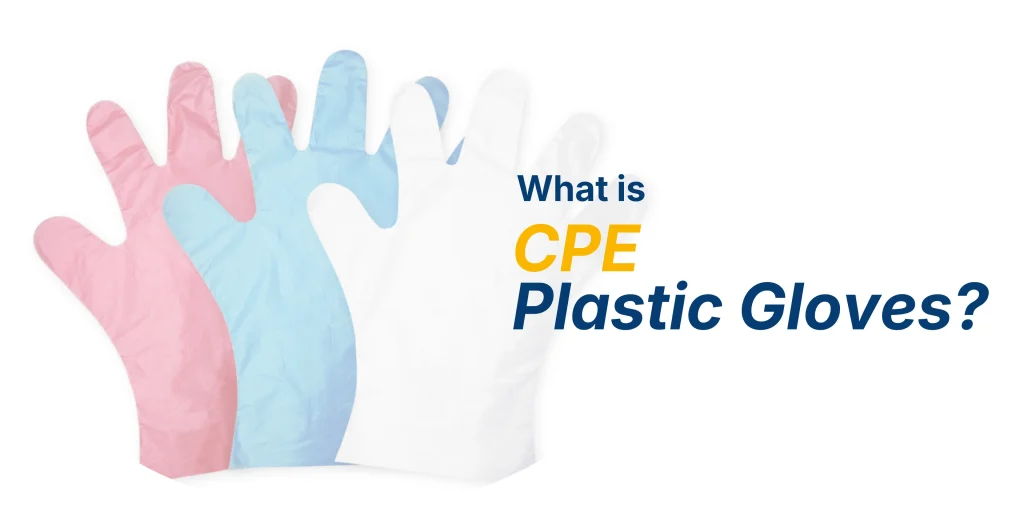
- Healthcare products: Compostable gloves, sanitary pads, diapers, and wound dressings.
These products are designed to reduce plastic waste and support eco-friendly composting, decomposing completely without leaving toxic substances or microplastics in the environment.
Challenges and Limitations
While OK Compost certification is internationally recognized, there are still challenges to overcome:
- Certified products are often more expensive than conventional plastics.
- Consumers must understand proper use and disposal methods to ensure effective composting.
- Infrastructure readiness — adequate collection and composting systems — remains a key factor for success in many regions.
In Summary
The OK Compost label by TÜV Austria certifies that a product can safely and effectively biodegrade under composting conditions.
This certification not only helps reduce environmental pollution but also creates new business opportunities and encourages innovation in sustainable materials.
For consumers, choosing products with the OK Compost mark is a meaningful step toward a cleaner planet.
Proper use and disposal are essential to maximizing the benefits of this eco-friendly technology — making OK Compost an important milestone on the journey toward a truly sustainable society.
Bags and Gloves Co., Ltd.
Certified Biodegradable Products by TÜV Austria
At Bags and Gloves Co., Ltd., we are proud to offer products certified under OK Compost by TÜV Austria, demonstrating our commitment to quality, sustainability, and continuous innovation.
Our certifications not only guarantee product performance and environmental safety but also reflect our long-term dedication to reducing plastic waste and promoting sustainable manufacturing practices for future generations.
Learn more about our certified biodegradable plastic products at
https://www.bagglove.com/
Contact us for more information
International Sales
(+66) 2-108-2390
(+66) 95-583-3696
sales@bagglove.com
Domestic Sales
(66) 2-108-2390 ext. 104
LINE OA: @bagglove
sales.d@tna-thailand.com